Blog

Latest insights on California building codes, zoning, and real estate development

Featured Articles
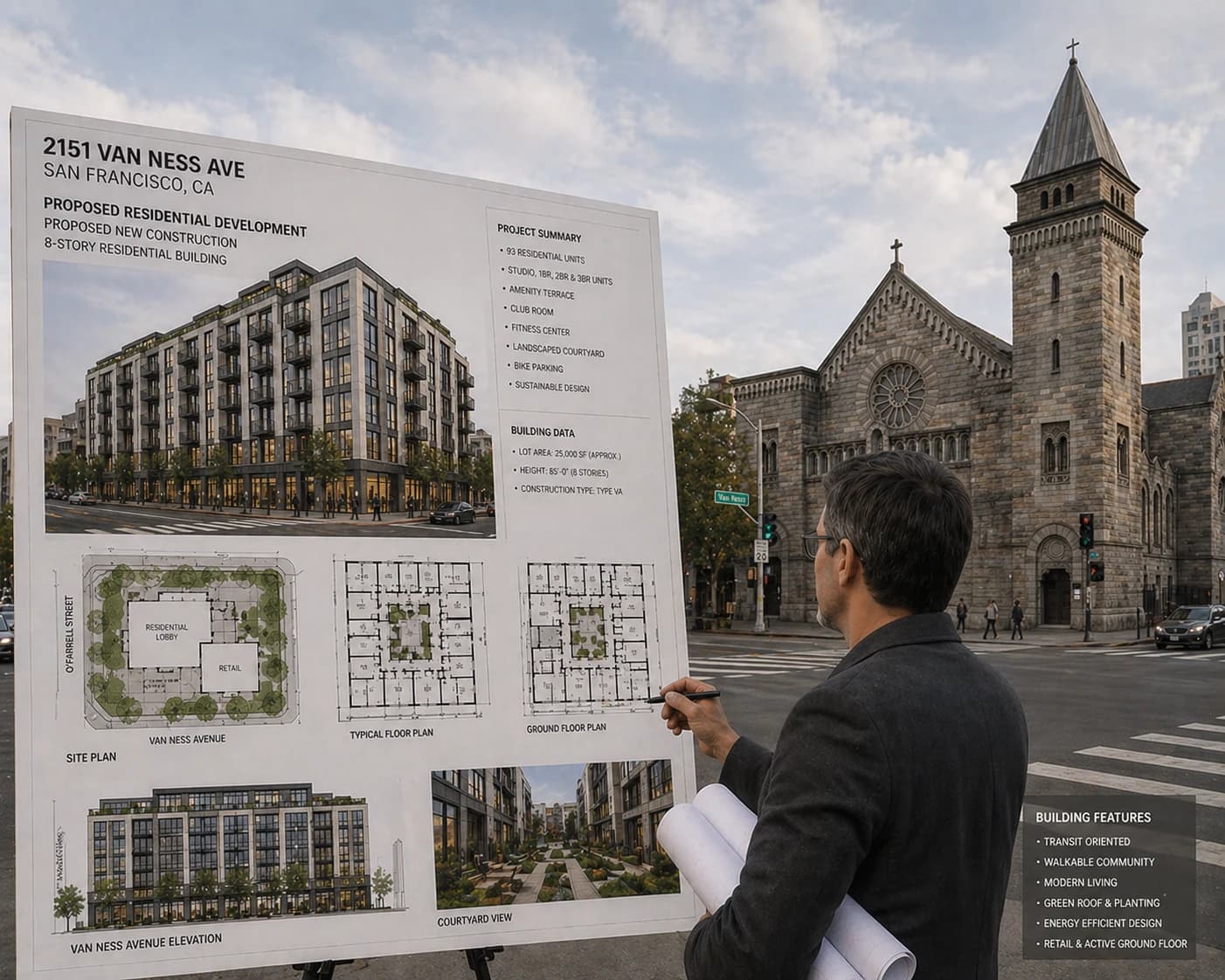
From Church to Housing? Inside the $4.7M Sale of a SF Landmark

A historic San Francisco church at 2151 Van Ness Ave has sold for $4.7 million. We explore whether the site can be redeveloped into residential housing, including zoning constraints and preservation challenges.

8 days ago
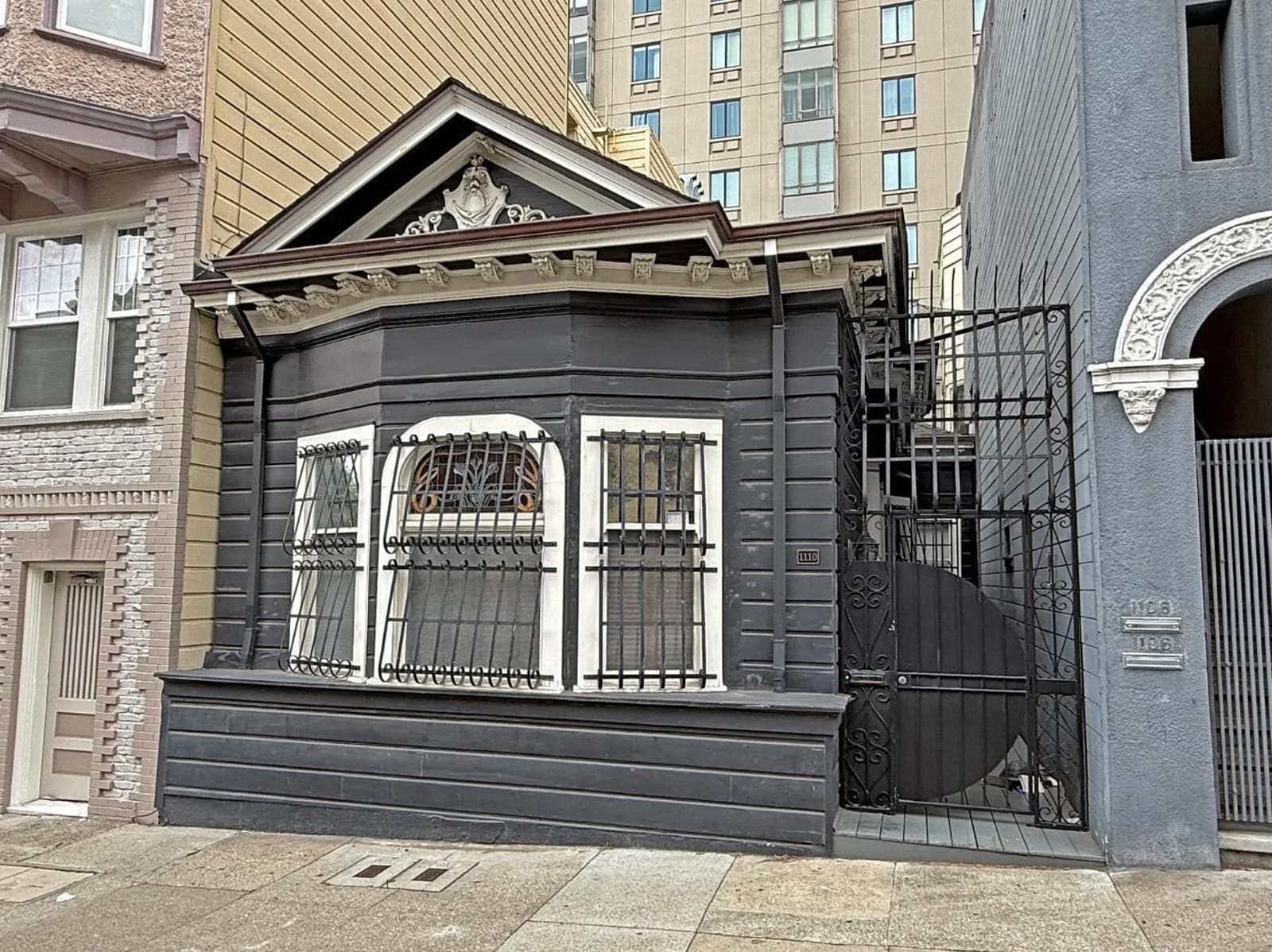
Ground-Up Construction Feasibility at 1110 Taylor St, San Francisco, CA

Ground-up construction at 1110 Taylor St faces historic and zoning challenges. A property is recently listed at 1.7M USD on Zillow and Redfin. This advisory report investigate the historic and zoning challenges in San Francisco.

about 1 month ago
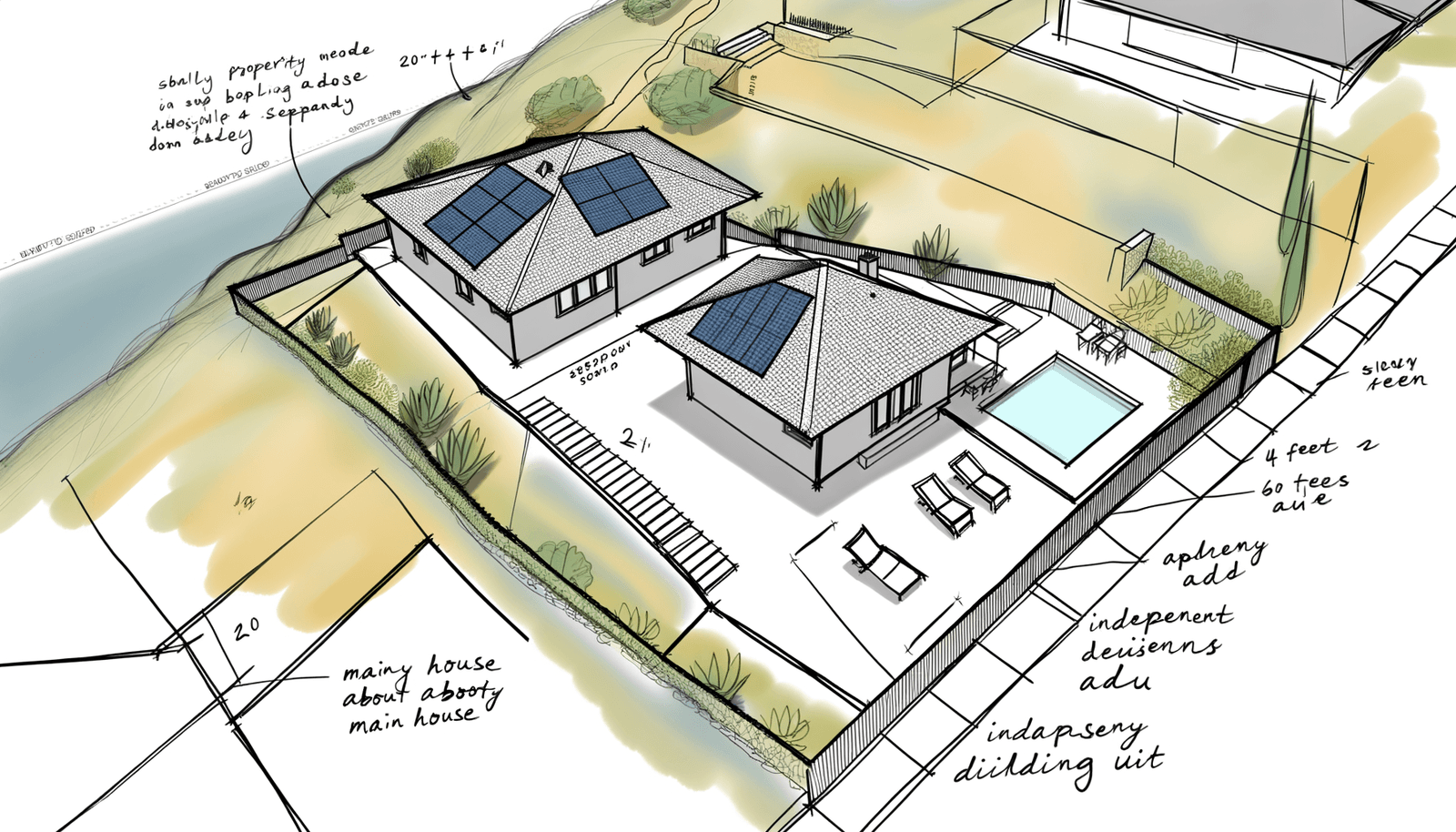
Navigating ADU Construction in Los Angeles' Hillside Properties

Explore the rules and opportunities for building ADUs and JADUs on Los Angeles' hillside properties. Maximize your property's potential!

3 months ago
Building an Accessory Dwelling Unit (ADU) Home in San Francisco

ADUs are allowed on lots zoned for single-family or multifamily use with an existing or proposed dwelling. Only one ADU is allowed per lot under “state” standards, and the lot must not contain another ADU or a Junior ADU (JADU).

7 months ago
Working from Home: How to Legally Build a Home Office

To install a home office in a single- or two-family dwelling in California, you must comply with both statewide (California Residential Code) and local (such as San Francisco Planning Code) rules. The California Residential Code does not prohibit a home office, but any work must retain the residential character of the space.

7 months ago
Living Small in a Big City: The Minimum Room Size in San Francisco

In a city where every square foot can cost a fortune, how small can your living space legally be? We will discuss about the minimum requirement for a room in San Francisco.

8 months ago

All Articles

From Church to Housing? Inside the $4.7M Sale of a SF Landmark

A historic San Francisco church at 2151 Van Ness Ave has sold for $4.7 million. We explore whether the site can be redeveloped into residential housing, including zoning constraints and preservation challenges.

Ground-Up Construction Feasibility at 1110 Taylor St, San Francisco, CA

Ground-up construction at 1110 Taylor St faces historic and zoning challenges. A property is recently listed at 1.7M USD on Zillow and Redfin. This advisory report investigate the historic and zoning challenges in San Francisco.

Navigating ADU Construction in Los Angeles' Hillside Properties

Explore the rules and opportunities for building ADUs and JADUs on Los Angeles' hillside properties. Maximize your property's potential!

Discover how John leveraged GoCodebook AI to maximize his San Francisco duplex's rental income and explore ADU feasibility.

Discover how Alex leveraged AI to navigate zoning and permits for a lucrative remodel and ADU project in San Francisco.

Unlock the potential of your San Francisco property with this guide to changing its use from mixed-use to multifamily residential, maximizing rental income.

Rent Control Risk in SF & LA

Comparing regulations and risks of the rent sfor first-time multi family unit developers.

NFPA Sprinkler Cheatsheet (2025 Edition)

NFPA 13 vs. NFPA 13R vs. NFPA 13D, Based on the MeyerFire 2025 Update This is your fast, field-ready breakdown of the differences between NFPA 13, NFPA 13R, and NFPA 13D—pulled directly from the MeyerFire 2025 summary sheets. Use this as a design-phase quick guide or a permit-set reference when selecting the correct sprinkler standard.

Handrail Requirements & Graspability Rules for California Homes (2025 CRC/CBC)

Handrails look simple on drawings—but inspectors check them with a microscope. A handrail that’s too fat, too close to the wall, not continuous, or with a non-compliant return will trigger corrections every time. Here’s a clean breakdown of the 2025 California Residential Code (CRC) and California Building Code (CBC) requirements for single- and two-family dwellings (R-3 Occupancy, Type VB).

Electrical Outlet Requirements & Spacing Rules for California Homes (2025 CRC + CEC)

Electrical outlet placement is one of the most common plan-check comment triggers in California residential projects. Here’s a clear, room-by-room breakdown of required outlet spacing, height, and protection for single- and two-family dwellings (R-3 Occupancy) under the 2025 California Residential Code (CRC) and California Electrical Code (CEC).

Stair Requirements for Single-Family Homes in California (2025 CRC & CBC)

Stair design looks simple—until your permit reviewer starts asking about width, landings, risers, slope, and fire protection. Here’s a concise breakdown of what the 2025 California Residential Code (CRC) and California Building Code (CBC) require for single- and two-family dwellings (R-3, Type VB).

NFPA 13 vs. NFPA 13R vs. NFPA 13D

Which Fire Sprinkler Standard Applies to Your Residential Project in California? If you’ve ever tried to determine which sprinkler standard applies to a home, ADU, duplex, or low-rise multifamily building, you know the rules can feel confusing. California adopts all three NFPA standards—NFPA 13, NFPA 13R, and NFPA 13D—each with a different purpose, coverage requirement, and life-safety philosophy. Here’s the clean, architect-friendly breakdown.

2025 California Building Code — Key Changes Every Architect and Engineer Should Know

The 2025 California Building Code (CBC) brings some of the most sweeping technical and organizational updates in a decade. Based on the 2024 International Building Code, this new edition modernizes California’s approach to mass timber, seismic safety, fire protection, wildfire resilience, and building coordination across the state’s evolving regulatory framework. Here’s what you need to know before the new code takes effect on January 1, 2026.

2025 California Title 24 Code Updates — What Architects, Builders, and Designers Need to Know

2025 California Title 24 Code Updates — What Architects, Builders, and Designers Need to Know California’s **2025 Title 24 Building Standards** introduce one of the most comprehensive code overhauls in recent memory. Effective **January 1, 2026**, the updates reshape the rules for building safety, electrification, energy efficiency, and sustainability across all project types—from single-family dwellings to high-rise towers. Below is a summary of the key changes by code **Part**, highlighting what matters most for architectural design, engineering coordination, and construction planning.

Egress and Emergency Escape Requirements for Single- and Two-Family Homes in California

Egress and Emergency Escape Requirements for Single- and Two-Family Homes in California Safe exit paths are among the most fundamental parts of residential design. For single- and two-family dwellings (R-3 Occupancy), the California Residential Code (CRC) outlines how occupants must be able to exit quickly and safely during an emergency. Here’s a concise guide to the 2025 CRC requirements you need to know for new construction, ADUs, and remodels.

Gas & Electric Meter Separation: Where to Measure the 3-Foot Rule

If you’ve ever had a gas and electric meter land too close together on your plans, you’ve probably heard the **“3-foot rule”**—but where exactly do you measure that distance?

Outdoor Fireplace Height Limits in a Rear Yard Setback

If you plan to add an **outdoor fireplace** or similar built-in feature within the **required rear yard setback** of a residential property in San Francisco, your design falls under the City’s **“permitted obstruction”** rules in **Planning Code §136(c)**. (Single-Family Homes, R-3, Type VB)

Wall Assembly Requirements Between an ADU and a Garage in California

When an **Accessory Dwelling Unit (ADU)** shares a wall or ceiling with a **garage**, that separation must provide adequate **fire protection** between the habitable space and the area used for vehicle storage. The rules come from the **2025 California Residential Code (CRC)** and the **2025 California Building Code (CBC)**, which apply to all **R-3 Occupancy, Type VB** residential construction.

How Far Can a Deck Project into a Setback in San Francisco?

Designing a new deck in San Francisco often runs straight into one big question: **“How far can my deck project into the required setback or rear yard?”**

Handrail Graspability Rules in California

When a stair feels awkward or unsafe, it’s almost always because of the **handrail design**—and the code agrees. In **R-3 single- and two-family homes**, type VD, the **California Building Code (CBC §1014.4)** and **Residential Code R320.6** spell out what makes a handrail “graspable.”

Tesla Powerwall “Firewall” Requirements in CA Homes — What Actually Applies

If you’re placing a **Tesla Powerwall** (ESS) at a single-family or duplex (Group **R-3**, Type VB) in California, here’s the clear, code-driven picture—especially for tight sites near the **property line**.

Penthouse Additions on Roof Decks — San Francisco Single-Family Homes

Adding anything above the main roofline in San Francisco is one of the most highly regulated parts of residential design. For **single-family homes**, both the **San Francisco Planning Code** and the **California Building Code** (CBC) restrict what can be considered a “penthouse” and what can legally rise above the **height limit**. (R-3, Type VB)

Can You Park on a Turntable? Rules for Two-Car Garages in San Francisco

For your **R-3, four-story, Type VB project at 825 Francisco Street**, the local limit of **two cars per private residential garage** comes from **San Francisco Planning Code parking controls**, not from the Building Code. The Building Code governs **safety and construction**, while the Planning Code governs **how many vehicles** you’re allowed to accommodate.

Wall-Mounted (Sidewall) Sprinklers — Required Distances

For a **four-story R-3, Type VB building** in California protected by an **NFPA 13R sprinkler system**, wall-mounted (sidewall) sprinklers must meet the **NFPA 13R standard** and the **UL listing of the specific sprinkler head**. Unlike special-hazard or geometry-based occupancies, **the location type—such as a staircase—does not change these distance rules.** The required clearances and spacing remain the same throughout the building.

Rooftop Screens for Mechanical Units: What You Can Build—and How Tall

Got condensers or an ERV you’d rather not show? In San Francisco, R-3 houses (single/two-family, including 3–4 stories, Type VB) can absolutely hide rooftop equipment—**but the screen has to meet both Planning and Building Code rules.

Smoke Alarm Requirements for Homes in California

Whether you’re building a new single-family home, duplex, or small multi-unit R-3 dwelling(Type VB), smoke alarm rules are the same across all construction types — including Type VB (wood-frame). Here’s a breakdown of what California’s 2025 codes require.

Tesla Powerwall at the Property Line? What California Actually Requires

If you’re planning a Tesla Powerwall on a 3-story + basement, R-3 house (Type VB) with sprinklers, the single most common question is: “Can I set it right on the lot line?” Short answer: Not by default. But there are **clear, code-backed paths** to make tight sites work.

Building an Accessory Dwelling Unit (ADU) Home in San Francisco

ADUs are allowed on lots zoned for single-family or multifamily use with an existing or proposed dwelling. Only one ADU is allowed per lot under “state” standards, and the lot must not contain another ADU or a Junior ADU (JADU).

How to divide a living room into another room

To divide a living room into another room in a single-family or two-family house in San Francisco or California generally, you must comply with local planning regulations as well as California Building Code and Residential Code requirements. Here are the essential steps and code requirements

Guardrails guidelines in California houses

For single- and two-family dwellings in California, guardrails (guards) are required at open-sided walking surfaces, including stairs, ramps, and landings, that are more than 30 inches above the floor or grade below. The main requirements are:

Installing swimming pool in single or two family houses in California

For swimming pools in single- and two-family dwellings in California, the requirements are followed below.

Elevator requirement for single or two-family houses in California

For single- and two-family dwellings in California, elevators are not required by code, but where installed, there are specific compliance requirements.

Minimum size of a room of ADU in San Francisco

For Accessory Dwelling Units (ADUs) in San Francisco, the Planning Code does not impose any minimum size for an individual room within the ADU. The Code is clear that the City cannot require any minimum or maximum overall size for an ADU that would prevent the construction of an ADU up to 800 square feet in gross floor area, provided all other requirements are met. There is no clause specifying a minimum square footage for rooms within ADUs, only maximum square footages for total ADU size applicable in some circumstances.

Working from Home: How to Legally Build a Home Office

To install a home office in a single- or two-family dwelling in California, you must comply with both statewide (California Residential Code) and local (such as San Francisco Planning Code) rules. The California Residential Code does not prohibit a home office, but any work must retain the residential character of the space.

Living Small in a Big City: The Minimum Room Size in San Francisco

In a city where every square foot can cost a fortune, how small can your living space legally be? We will discuss about the minimum requirement for a room in San Francisco.

Max FAR in San Francisco

The maximum Floor Area Ratio (FAR) for single-family (SF) development in San Francisco typically falls under the basic FAR limits set in Section 124 of the Planning Code. For most standard residential districts (RH-1, RH-2, RH-3), the basic FAR limit is 3.6:1.

The maximum Floor Area Ratio (FAR) in the Residential R3 District

The standard basic FAR limit for most residential districts is 3.6:1, unless the lot is closer to an RM-4 or RC-4 district, where the limit could be 4.8:1, or closer to a C-3 district, in which case the FAR may be 10:1.